

This article contains affiliate links. As an Amazon Associate I earn from qualifying purchases.
⭐ As our parents age, mundane kitchen tasks can suddenly feel overwhelming—loud appliances can be uncomfortable for a noise-sensitive household, noisy coffee makers start the day with a jolt, and large appliances confuse those with diminishing dexterity or hearing. That’s why quiet, easy-to-use kitchen appliances aren’t just nice—they’re essential. Whether you’re a caring adult child shopping for Mom or Dad, or a senior looking for independence without disruption, this guide helps you find the best quiet kitchen tools for 2026.
Disclosure: this article contains affiliate links. If you click and buy, we may earn a commission at no extra cost to you—but our reviews remain honest and helpful.
Quick Picks

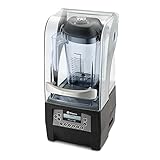

📎Comparison Table: Quiet Kitchen Appliances for Seniors
| Product | Type | Key Features | Why | Buy it now |
|---|---|---|---|---|
| Hamilton Beach Professional Quiet Blender | Countertop Blender | 1500 W; sound shield; 4 programs | Extremely quiet with easy one-touch | |
| Vitamix The Quiet One | Commercial Blender | 48 oz; vibration damping | Quiet and durable for daily use | |
| CRANDDI Quiet Commercial Blender | Countertop Blender | 2200 W; soundproof shield; 2.2 L | Large capacity with low noise | |
| Moccamaster KBGV Select | Drip Coffee Maker | Quiet pump-free brew; auto shut-off | Safe and quiet for seniors | |
| Dominion 4-Cup Compact Coffee Maker | Mini Drip Coffee Maker | Quiet LED; 4-cup size | Small and simple to operate |
🔗 Looking for ergonomic utensils? Visit our guide on easy‑grip kitchen tools or discover best slow cookers for seniors.
🔍 In-Depth Reviews
Hamilton Beach Professional Quiet Shield Blender
Why we like it for seniors: Low-noise motor and large, clearly labeled controls make it easy to use without startling sounds.
- Pros: Very quiet; big buttons; stable base; auto shutoff
- Cons: May be slower on higher loads
Best for: Parents who value peace and simple, predictable operation.
2. Vitamix The Quiet One
Description: A commercial-grade blender with heavy vibration damping, perfect for consistent use.
- Pros: Ultra-smooth blends; quieter than most Vitamix models; built to last.
- Cons: Pricey; large footprint.
- Best For: Seniors who desire café-quality drinks at home.
3. CRANDDI Quiet Commercial Blender
Description: Heavy-duty 2.2 L blender with a full soundproof shield; designed for quiet, large-batch tasks.
- Pros: Massive capacity; sound shield is intended to reduce perceived blending noise.
- Cons: Bulky; shield must be cleaned.
- Best For: Seniors cooking for family and dinner guests.
4. Moccamaster KBGV Select Coffee Maker
Description: A high-end, pump-free coffee maker recognized for quiet operation and quality brews.
- Pros: Designed for quieter brewing; extremely reliable; auto shut-off after 100 min.
- Cons: Higher price; limited to 10‑cup carafe.
- Best For: Seniors who value routine and gentle mornings.
5. Dominion 4‑Cup Compact Coffee Maker
Description: Simple 4‑cup coffee maker with LED light switch, auto-pause, and quiet brewing.
- Pros: Very affordable; compact; easy to use.
- Cons: Small capacity; basic features only.
- Best For: Seniors living alone or couples with light coffee habits.
📚 How to Choose Quiet Appliances for Seniors
- Look for decibel ratings or sound shields. Seniors may be sensitive to loud or abrupt noises.
- Simple controls. One-touch buttons, LED indicators, and large fonts aid those with weak hands or mild cognitive issues.
- Manageable size & weight. Appliances should be easy to lift with weak wrists.
- Safety features. Auto shut‑off, non-slip bases, and low-heat exteriors protect from accidents.
- Easy cleaning. Dishwasher-safe jars or removable filters are user-friendly.
❓ FAQs
Q1: Are quiet blenders less powerful?
No—models like Vitamix’s Quiet One maintain full strength while using sound dampening or counterweights. A shield or insulated housing does not reduce performance.
Q2: Can seniors use them safely?
Yes—auto shut‑offs, sturdy bases, and one-touch controls make these especially safe for older users.
Q3: How quiet is “quiet”?
Noise levels vary by model, speed, ingredients, room acoustics, and measurement distance. Because comparable manufacturer-tested decibel figures are not available for every product, this guide evaluates noise-reduction features rather than promising a specific dB level.
Q4: Do they cost more?
Some lower-noise appliances cost more because of insulated housings, sound shields, or heavier construction. Compare current prices and features before buying.
Q5: What if my parent has poor vision?
Choose bright, well‑lit buttons (like LED) and contrasting colors for easy visibility.
How to Compare Noise Without an Unverified Decibel Claim
Appliances make different kinds of sound. A blender may produce a short, loud burst; a coffee maker may click or beep at the beginning or end of a quieter cycle. A sound shield can reduce some perceived blender noise while adding weight, height and an extra surface to clean. Manufacturer sound figures, when provided, are meaningful only if the measurement distance and operating conditions are comparable. We have not performed a controlled sound test on the products in this guide.
When noise sensitivity matters, compare a demonstration at the speed and with the ingredients the person will actually use. Ask whether the appliance can stay on a stable counter so it does not need to be lifted for every use. Confirm that lids, shields and carafes are manageable with the user’s grip. Consider both the operating sound and alerts: a model with a mute option may suit one person but deprive another of useful feedback.
Quiet Use Checklist
- Set the appliance on a firm, level counter with its feet fully contacting the surface.
- Check the manual for the correct lid, fill level and cooling clearance.
- Compare cleaning steps as well as noise: a heavy sound enclosure may be hard to wash.
- Do not assume that a quieter label means automatic shutoff or a cool exterior; verify those features for the exact model.
Separate Motor Noise From Everyday Kitchen Sounds
“Quiet” can mean different things in a kitchen. A blender’s motor and ingredients create a steady, high-energy sound that may be brief but intrusive. A drip coffee maker usually produces softer water movement, yet it can add clicks, gurgles, a warming-plate sound, or a final beep. Before comparing appliances, identify which sound causes the problem: sudden bursts, a continuous hum, high-pitched tones, or noises that carry into a nearby bedroom. This helps narrow the choice more effectively than relying on a general quiet label.
Also consider when the appliance will be used. A moderately noisy blender at lunchtime may be workable, while the same sound at 6 a.m. could disturb a spouse, roommate, or neighbor. For an older adult with hearing aids, sharp mechanical sounds may seem especially unpleasant or distorted. A caregiver can ask the person to describe a few bothersome kitchen sounds and note whether they are more sensitive to volume, pitch, vibration, or surprise. The answer may point toward a different appliance type or a different daily schedule.
Compare Running Sound and Finished-Cycle Alerts
An appliance can be acceptable while it is operating but still be frustrating at the end of a cycle. Audible alerts may be useful for someone who forgets that coffee is brewing or who steps into another room. For another person, a loud repeated beep can defeat the purpose of choosing a lower-noise appliance. Check whether an alert is adjustable, optional, or paired with a clear visual signal. Do not assume a soft motor means soft notifications; these are separate design choices that should be evaluated independently.
Think about what feedback is actually needed during use. A coffee maker may need a visible power light, while a blender may need a control that clearly indicates whether it has stopped before the jar is handled. Older adults with reduced hearing may benefit from a bright indicator rather than a faint tone. Conversely, a person with limited vision may depend on an audible cue. The most practical arrangement is one that communicates a completed task clearly without requiring the user to stand nearby listening for subtle changes.
Consider What a Sound Enclosure Adds
A sound enclosure or shield can change how a blender fits into daily life. It may help contain some of the direct noise, but it also adds a hinged or removable piece that must be opened, closed, and cleaned. The overall appliance may be taller, deeper, and heavier than an open blender. Measure the counter space beneath upper cabinets and leave room to lift lids or operate the enclosure comfortably. A unit that technically fits but cannot be opened without moving it is likely to become inconvenient.
Weight matters beyond the initial setup. A heavier appliance may stay planted during operation, but it can be difficult for an older adult to pull forward from the wall, reposition for cleaning, or store in a cabinet. If a sound enclosure is part of the design, practice reaching the controls and removing the jar while the appliance remains on the counter. For many households, a permanently assigned counter location is more workable than expecting someone with sore hands or limited balance to move a bulky machine repeatedly.
Plan for Blender Jar Handling Before Choosing Capacity
A blender can be quiet enough for the household and still be a poor match if the jar is difficult to manage. A full jar of smoothie, soup, or sauce becomes substantially heavier than an empty one, especially when it is made of glass or has a large capacity. Consider the person’s usual portion size rather than selecting the biggest jar available. A smaller batch may require an extra cycle, but it can reduce lifting strain and make pouring more controlled at the sink or serving bowl.
Look closely at the jar handle, lid tabs, and base connection. A handle should allow a secure whole-hand grip rather than requiring fingertips to pinch tightly. The lid should come off without excessive twisting, but it must also be manageable when ingredients are warm or slippery. If the user has tremor, arthritis, or one weaker hand, a caregiver should observe a dry run with water before making a final decision. This practical check can reveal awkward reaches that product photos do not show.
Build a Coffee Routine Around Fewer Surprises
For a daily coffee drinker, predictability often matters as much as lower sound. A workable routine may include filling water at a time when hands are steady, placing the carafe in the same orientation each morning, and using a simple visual check before switching the machine on. Avoid setting up a routine that depends on remembering several buttons, navigating a menu, or hearing a subtle completion tone. A straightforward sequence can reduce uncertainty for both the older adult and anyone assisting them.
Think through the entire morning, not just brewing. Can the person reach the water reservoir without lifting it high? Is the carafe comfortable to carry when full, and is the handle kept away from a hot surface? Will a warming plate or timed shutoff create confusion if coffee is made later than usual? A machine that supports the household’s normal cup quantity and cleanup habits may be more valuable than one with extra settings that are rarely used.
Balance Noise Reduction With Cleanup Effort
Lower perceived noise can come with additional surfaces, seals, covers, or narrow areas that collect splashes. These parts may be manageable for a caregiver who cleans the appliance regularly but discouraging for an older adult who wants independent use. Review the cleaning process step by step: removing the jar, rinsing under a faucet, accessing the blade area safely according to the manual, wiping controls, and drying parts before reassembly. A complicated cleaning routine can leave an appliance unused even when its operating sound is preferable.
Coffee equipment presents a different cleanup question. Reusable filters, carafes, water reservoirs, and drip areas need regular attention, and each task can involve bending, twisting, or handling wet components. Choose a system whose cleaning frequency fits the household’s real habits. If a person is likely to delay maintenance because it is awkward, residue and odors can become more disruptive than ordinary brewing sounds. Keeping a dedicated drying mat and a simple cleaning checklist nearby can make the routine easier to follow.
Use Clear Controls for Low-Vision Kitchens
Controls should be easy to locate by sight and touch without being easy to activate accidentally. Strong contrast between the button or dial and its surrounding panel can help, as can labels large enough to read in the kitchen’s normal lighting. Raised markings, a distinct click or resistance point, and a clearly separated power control may support a person who does not see fine print well. Tiny icons, glossy black panels, and several similar buttons can make a supposedly simple appliance harder to use.
Visual feedback should answer a basic question: is the appliance off, running, paused, or finished? A bright status light can be useful, but glare from a window or overhead fixture may wash it out. Test controls in the actual kitchen, including early-morning and evening light. If an audible alert is important, make sure it is not the only confirmation. Pairing a visible indicator with a consistent physical routine, such as unplugging after cleaning when appropriate for the household, can reduce uncertainty without relying on hearing alone.
Reduce Countertop Resonance and Movement
The surface under an appliance can make it seem louder than it is. A lightweight table, hollow cabinet, loose tray, or uneven counter can amplify vibration, creating rattles that travel through the room. Place the appliance on a firm, level section of counter and remove loose utensils, canisters, or decorative items that may buzz against it. Keep the cord arranged so it does not pull on the appliance or catch on a walker, chair, or drawer handle. These small setup decisions can improve comfort without changing the appliance itself.
Stability is also a usability issue. The person should not have to brace a blender with one hand while pressing controls with the other. Check that all feet rest evenly and that the appliance does not rock when the jar or carafe is inserted. Avoid improvised padding that causes the base to tilt or blocks ventilation. If vibration remains bothersome, reassess the location before assuming the appliance is defective. Moving it to a sturdier counter zone may make operation calmer and more predictable.
Make a Caregiver Demonstration Specific
A helpful demonstration is more than showing where the power button is. Walk through one realistic task from start to finish: gathering ingredients, adding them without overfilling, securing a lid, selecting a control, waiting for the appliance to stop, serving, and cleaning up. Let the older adult perform each step rather than only watching. This shows whether the noise is tolerable, whether labels can be read, and whether any part requires two strong hands. It also gives the caregiver a chance to simplify the setup before it becomes frustrating.
During the demonstration, agree on what to do when something does not seem right. The person should know not to force a stuck jar, reach into a container, or keep restarting an appliance that is vibrating unusually. Keep the manual in an easy-to-find place and write down only the essential household-specific steps in large print if that would help. Revisit the routine after several uses. Early adjustments, such as changing the storage spot or premeasuring ingredients, can make independent use more realistic.
Choose the Routine That Will Be Sustained
The best choice is the appliance that fits a repeatable daily pattern, not necessarily the one with the most features or the lowest perceived operating sound. Consider who will fill it, who will empty it, who will clean it, and where it will stay between uses. An older adult living alone may prefer fewer parts and a smaller capacity. A shared household may accept a larger setup if one person routinely handles cleanup. Match the appliance to the tasks that happen most often, rather than occasional ambitious recipes.
Finally, allow for limitations without treating them as failure. Some users may be comfortable preparing coffee independently but prefer help with a blender jar, hot liquids, or cleaning an enclosure. That division of tasks can still preserve a valued routine and reduce household noise at the same time. Review the setup whenever mobility, vision, hearing, or kitchen layout changes. A simple change in counter placement, batch size, or preparation time can keep the appliance practical long after the initial purchase decision.
Check Fill Marks and Measuring Tasks
Water-level windows, maximum-fill lines, and measurement markings deserve attention before an appliance becomes part of a daily routine. A person who has trouble reading small print may overfill a reservoir or blender jar even when the controls themselves are simple. Look for markings that remain visible when the container is on the counter and when it is held at a comfortable height. If the household commonly prepares the same amount, a caregiver can identify a consistent fill level using an easy-to-see reference without altering the appliance.
Consider where ingredients and water will be measured, especially if the user avoids lifting containers near eye level. A lightweight pitcher, preportioned coffee, or a clearly labeled scoop may reduce the need to interpret faint lines each morning. These aids should not create another complicated system to maintain. The goal is a setup that lets the person confirm amounts calmly, with good lighting and a stable work surface, rather than rushing through a step that can lead to spills or an unsatisfactory result.
Plan for Lost Settings and Household Changes
Some kitchen appliances rely on saved clock times, programmed preferences, or a remembered setup from the previous use. Consider what happens after a power interruption, a moved plug, or a caregiver cleaning the counter and reconnecting the appliance. If basic operation becomes unclear when settings reset, the household may need a simple written reminder near the appliance. This is particularly relevant when more than one person uses the kitchen and assumes someone else has restored the usual arrangement.
Also decide who will notice gradual changes that affect usability, such as a dim indicator, a stiff lid, a worn label, or a carafe that no longer pours cleanly. These are not necessarily reasons to replace an appliance immediately, but they can turn a familiar task into a confusing one. A brief monthly check by a caregiver or family member can focus on whether the appliance remains understandable and comfortable to use, rather than on adding unnecessary maintenance tasks.
Further reading: National Institute on Aging: home safety.
🎯 Conclusion
Among all, the Moccamaster KBGV Select stands out for its lower-noise, reliable brew and thoughtful auto-off. But if smoothies or soups are the goal, the Hamilton Beach Quiet Blender offers high value without the noise.
If you’re thinking of Mom or Dad, a quiet appliance can transform their kitchen experience—no startling whirs, just peaceful mornings and independence. 🛒 Check Price on Amazon
Looking for ergonomic utensils? Check out our related articles on easy‑grip kitchen tools and slow cookers for seniors.